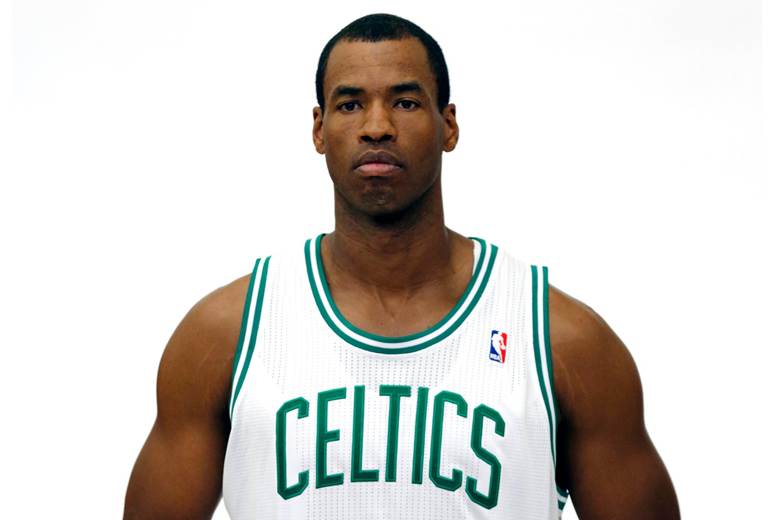
Jason Collins’ story is not just about basketball, it is about truth-telling, courage, and resilience. From breaking barriers in the NBA as the first openly gay active player to now confronting Stage 4 glioblastoma, Collins embodies the fight for justice and survival.

His diagnosis in late 2025 shocked the sports world. Yet, his response has been one of determination, transparency, and advocacy. Supported by his husband, Brunson Green, Collins continues to show us what it means to live authentically and courageously, even in the face of mortality.
Summary Table
| Aspect | Details |
| Illness | Stage 4 Glioblastoma (brain cancer) |
| First Symptoms | August 2025 – confusion, memory loss, inability to focus |
| Family Announcement | September 2025 – vague statement about brain tumor |
| Public Confirmation | December 11, 2025 – ESPN essay |
| Treatment | Radiation, chemotherapy, targeted therapy in Singapore |
| Prognosis | Average 11–14 months (glioblastoma has no cure) |
| Notable Context | First openly gay active NBA player (2013); married Brunson Green in May 2025 |
Important Context
Glioblastoma is the most aggressive malignant brain tumor in adults. It grows rapidly, infiltrates critical brain regions, and is extremely difficult to treat. Collins compared his cancer to a “monster with tentacles” spreading across his brain espn.com TODAY. Despite the grim outlook, he has chosen to share his journey publicly, much like when he came out in 2013, to inspire others and advocate for awareness and research espn.com cbssports.com.
Glioblastoma is an aggressive, fast-growing brain cancer with no known cure. It is the illness Jason Collins was diagnosed with in 2025.
Here’s a clear breakdown of what glioblastoma is and how it affects patients:
What Glioblastoma Is
- Type of cancer: A grade IV brain tumor that starts in glial cells called astrocytes.
- Growth: Rapidly multiplies and infiltrates healthy brain tissue, making it extremely difficult to remove surgically my.clevelandclinic.org mayoclinic.org.
- Prevalence: It is the most common malignant brain tumor in adults, with about 12,000 new cases annually in the U.S. mdanderson.org.
Symptoms
Glioblastoma symptoms often appear suddenly and worsen quickly because the tumor puts pressure on the brain:
- Persistent headaches (often worse in the morning)
- Nausea and vomiting
- Memory loss and confusion
- Personality or mood changes
- Vision problems (blurred or double vision)
- Speech difficulties
- Muscle weakness, balance issues, or coordination problems
Seizures, even in people with no prior history my.clevelandclinic.org mayoclinic.org
Treatment Options
While there is no cure, treatments aim to slow tumor growth and improve quality of life:
- Surgery: Removal of as much tumor as safely possible (not always feasible).
- Radiation therapy: Often daily sessions over several weeks.
- Chemotherapy: Typically combined with radiation.
- Targeted therapy: Drugs that attack specific cancer cell mutations.
- Tumor treating fields (TTF): Low-intensity electrical fields applied via scalp electrodes.
- Experimental approaches: Immunotherapy, laser therapy, and clinical trials my.clevelandclinic.org mayoclinic.org mdanderson.org.
For the Black and LGBTQ communities, Collins’ journey is a reminder of the importance of collective support. His life’s work has been about amplifying voices, breaking barriers, and building bridges. Now, it is our turn to rally around him.

Call to Action:
Health equity matters. Screenings matter. Advocacy matters. Let Jason’s fight remind us to prioritize our health and to stand together in solidarity.